
What Is a Dough Bowl? A Look at Its Origins
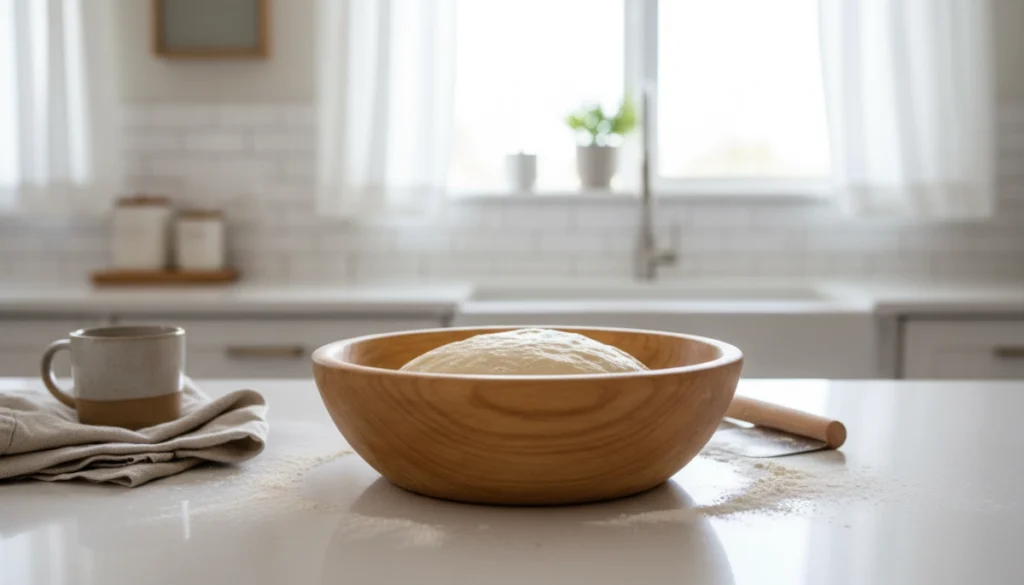
At its core, a dough bowl is deeply rooted in history, serving as a testament to the daily rhythms of 19th-century European life. Originally, these weren’t just decorative accents; they were essential tools in the farmhouse kitchen. Carved from solid timber, these sturdy vessels—often referred to as trenchers—were the designated spot for kneading and rising the family’s daily bread. The wood provided excellent insulation, keeping the yeast warm and allowing the dough to rise perfectly.
We see these pieces as more than just wood; they are a connection to a slower, more intentional way of living. Today, the humble bread dough bowl has evolved from a purely functional utility item into a cherished centerpiece that brings organic warmth to modern interiors.
From Functional Kitchen Staple to Modern Decor
While we still honor the traditional shape, the role of the wooden dough bowl has shifted. No longer confined to the pantry, these bowls have moved to the center of the dining table and the coffee table. They have transitioned from “trenchers” used for food preparation to versatile vessels for styling fresh produce, tossing salads, or simply standing alone as a sculptural element.
The beauty lies in the preservation of the past. By using reclaimed wood and “found” beams, we capture the spirit of those original European vessels. Whether it’s a vintage find from Hungary or a modern interpretation carved by artisans, the focus remains on “elevating your everyday” through honest materials.
Authentic Hand-Carved Bowls vs. Modern Reproductions
When you are looking for a handcrafted dough bowl, understanding the difference between an artisanal piece and a factory-made reproduction is key. Our collection focuses strictly on the former—pieces that tell a story.
| Feature | Authentic Handcrafted Bowl (Our Standard) | Mass-Produced Reproduction |
|---|---|---|
| Material | Reclaimed wood and 19th-century timber beams | New, composite, or chemically treated wood |
| Uniqueness | No two are alike; varies in grain, handle shape, and size | Uniform, identical shape and color |
| Character | Features natural splits, crevices, and patches | Smooth, artificial perfection |
| Finish | Food-safe plant-based wax (beeswax/carnauba) | Often toxic varnishes or purely decorative stains |
| Origin | Hand-carved by European artisans | Factory-molded, often overseas |
Choosing a vintage dough bowl or a handcrafted modern version means embracing imperfections. The knots, uneven edges, and unique markings are not flaws; they are the signature of the artisan and the wood’s previous life.
Why Dough Bowls Are Perfect for Today’s Homes
I believe that true luxury in the home comes from pieces that serve a purpose while telling a story. A handcrafted dough bowl is the ultimate example of this balance, bridging the gap between historical utility and modern design. These vessels have evolved from 19th-century farmhouse necessities into versatile staples that elevate your everyday living.
Unmatched Versatility: From Kitchen to Coffee Table
The beauty of a high-quality wooden dough bowl lies in its ability to multitask. Unlike purely decorative items, our bowls are finished with a food-safe plant-based wax. This critical detail transforms them into functional serveware safe for direct food contact.
- Functional Serving: Use a large dough bowl to serve fresh tossed salads, warm pasta, or artisan bread at your next gathering. They pair naturally with rustic dinnerware sets to create a grounded, organic dining experience.
- Stylish Storage: When not in use for dining, these bowls act as elegant storage for fresh produce on the counter or as a “catch-all” for keys and remotes on a coffee table.
- Creative Display: The deep structure makes them ideal for stacking or creating a seasonal dough bowl centerpiece filled with moss balls, glass accents, or candles.
A Foundation for Rustic and Modern Aesthetics
Whether your home leans towards a traditional farmhouse vibe or a clean Scandinavian aesthetic, a reclaimed wood bowl adds necessary warmth and texture. Because we utilize reclaimed timber and “found” beams, every piece features unique markings, crevices, and splits. We don’t hide these imperfections; we celebrate them as “honest materials” that highlight the artisanal nature of the wood.
- Organic Beauty: The natural grain and hand-carved variations ensure no two bowls are identical.
- Finish Options: From high-gloss Black and Navy to Mod White and Natural, the finish can adapt the bowl to fit sleek modern spaces or cozy rustic corners.
- Timeless Appeal: A vintage dough bowl or a modern interpretation serves as a focal point that anchors a room, adding character that mass-produced items simply cannot replicate.
Key Factors to Consider When Buying a Dough Bowl
Choosing the right vessel is about more than just aesthetics; it is about finding a balance between functionality and history. Here is what you need to look for to ensure you are getting a quality piece that fits your lifestyle.
Size and Shape
Think about where this piece will live in your home. A large dough bowl serves as a stunning focal point for dining tables, while smaller, rounder options fit perfectly on a kitchen island or coffee table. Because our collection is hand-carved, dimensions are approximate, giving you a truly unique item. Whether you prefer a modern interpretation or an antique oval shape, the scale should complement your space.
Wood Type and Sustainability
We believe in honest materials. Look for reclaimed wood serveware constructed from “found” beams and timber. This sustainable approach not only preserves natural resources but ensures the wood has a density and character that new lumber simply cannot match. Using reclaimed European wood connects your home to a history of 19th-century farmhouse tradition.
Finish and Food Safety
This is the most critical factor for functionality. Many market options are purely decorative and coated with toxic varnishes. However, our bowls are finished with a food-safe plant-based wax. This allows you to safely serve bread, tossed salads, or pasta directly from the bowl. If you plan to use your bowl for dining, ensure you have the right individual utensils to serve guests without damaging the wood surface.
Handcrafted Authenticity vs. Mass Production
A true handcrafted wood bowl should never look perfect. Our pieces are hand-carved by European artisans, meaning no two are identical. You should expect and embrace:
- Organic Beauty: Natural markings and distinctive wood grain variations.
- Texture: Crevices and splits that highlight the wood’s age and origin.
- Uniqueness: Subtle differences in handle shapes and depth that prove human hands made it.
Price and Value
Authentic, heritage-inspired pieces are an investment. While mass-produced replicas are cheap, they lack the durability and safety of a food-safe wooden bowl. Our standard small bowls start around $125, with large and antique variations going up to $235, reflecting the artisanal labor and reclaimed materials involved. Buying a quality piece ensures it becomes a “daily staple” rather than just another disposable decor item.
How to Style a Dough Bowl in Every Season
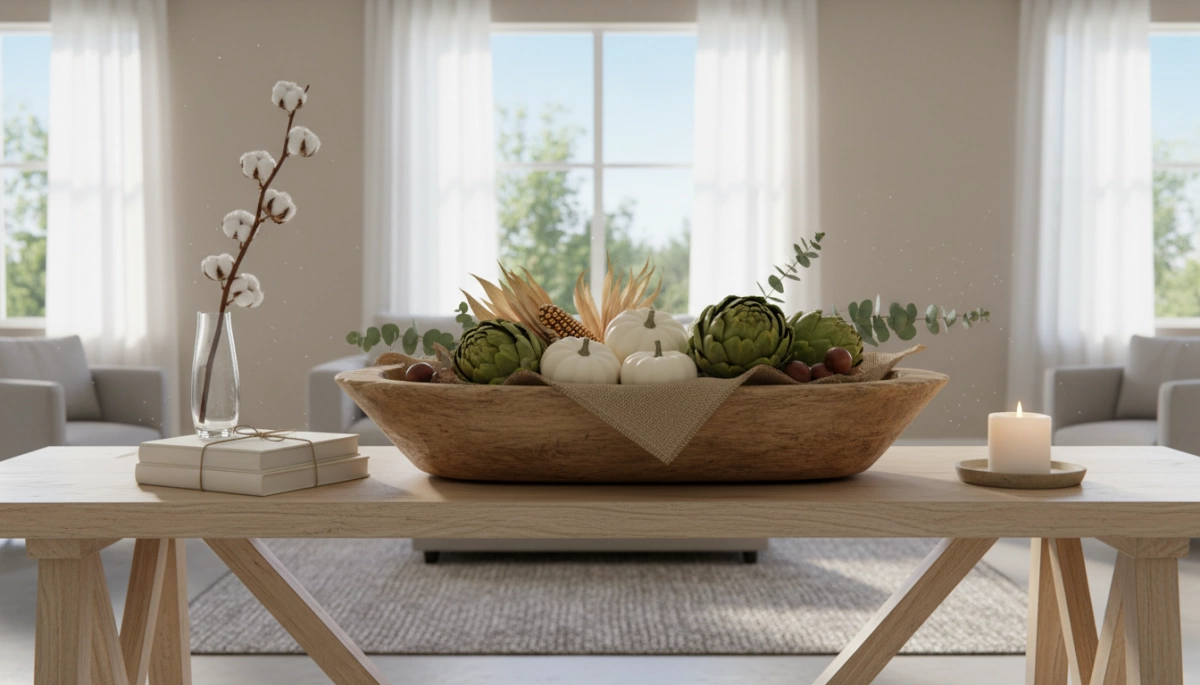
A handcrafted dough bowl is one of the most versatile items you can own. It serves as a grounding element in a room, easily transitioning from a functional kitchen tool to a stunning decorative focal point. Because our collection features reclaimed wood with a food-safe plant-based wax finish, you don’t have to choose between utility and beauty—you get both.
Everyday Functional Displays
For daily use, I recommend letting the organic beauty of the wood shine. Since these bowls are safe for direct food contact, they are perfect for holding your countertop staples.
- Fresh Produce: Pile high with apples, lemons, or artichokes. The vibrant colors of fresh fruit pop beautifully against our Mod White or high-gloss Navy finishes.
- Bread Service: Line the bottom with a linen napkin and fill it with warm artisan loaves or baguettes for dinner service.
- Catch-All: On a coffee table or entryway console, use a smaller wooden dough bowl to corral mail, keys, or remote controls.
Seasonal Transitions
Changing your dough bowl styling is the easiest way to refresh your home for the season without a major overhaul.
- Spring & Summer: Focus on greenery and light. Fill a large oval dough bowl with moss balls, fresh citrus, or dried hydrangeas. The lighter finishes in our collection help reflect that airy, sunny vibe.
- Fall & Winter: Embrace texture. Swap out the greens for pinecones, mini pumpkins, or vintage ornaments. A black high-gloss bowl creates a dramatic, sophisticated look perfect for moody winter evenings.
Creating Dimension and Layers
To make your dough bowl centerpiece look professionally styled, focus on layering.
- Texture: Mix hard and soft elements. Pair the rough, hand-carved wood grain with smooth glass beads or soft moss.
- Height: Don’t be afraid to let items spill over the edges.
- Stacking: For a sculptural look when not in use, stack a smaller bowl inside a larger one to highlight the unique markings and crevices of the European timber.
Caring for Your Wooden Dough Bowl
Because we use reclaimed wood and honest materials, proper care is essential to keep your piece looking its best for years. Our bowls are designed to be functional daily staples, but they require a gentle touch to maintain their artisanal nature.
Cleaning Dos and Don’ts
Since our bowls are finished with a plant-based wax to ensure they are food safe, you must avoid harsh chemicals.
- Hand Wash Only: Never put a wooden dough bowl in the dishwasher. The heat and water pressure will damage the wood and strip the finish.
- Gentle Cleaning: Wipe the bowl down with a damp cloth or wash gently with mild soap and warm water.
- Dry Immediately: Do not let the bowl soak in water. Dry it thoroughly with a soft towel right after washing to prevent warping.
Seasoning and Maintenance
To maintain the integrity of a food safe dough bowl, you need to keep the wood nourished.
- Reapply Protection: Over time, you may need to reapply a plant-based wax or food-grade oil. Seasoning a dough bowl helps seal the surface and keeps the reclaimed timber from drying out.
- Embrace Imperfections: Remember that our pieces feature natural crevices, splits, and markings. These are intentional characteristics of the reclaimed wood bowl, not defects. Regular care ensures these unique features remain a part of the bowl’s organic beauty without compromising its structure.
- Storage: Keep your bowl in a dry area away from extreme heat or direct sunlight when not in use to preserve the wood’s natural grain and finish.
Discover Premium Dough Bowls at Home Tableware
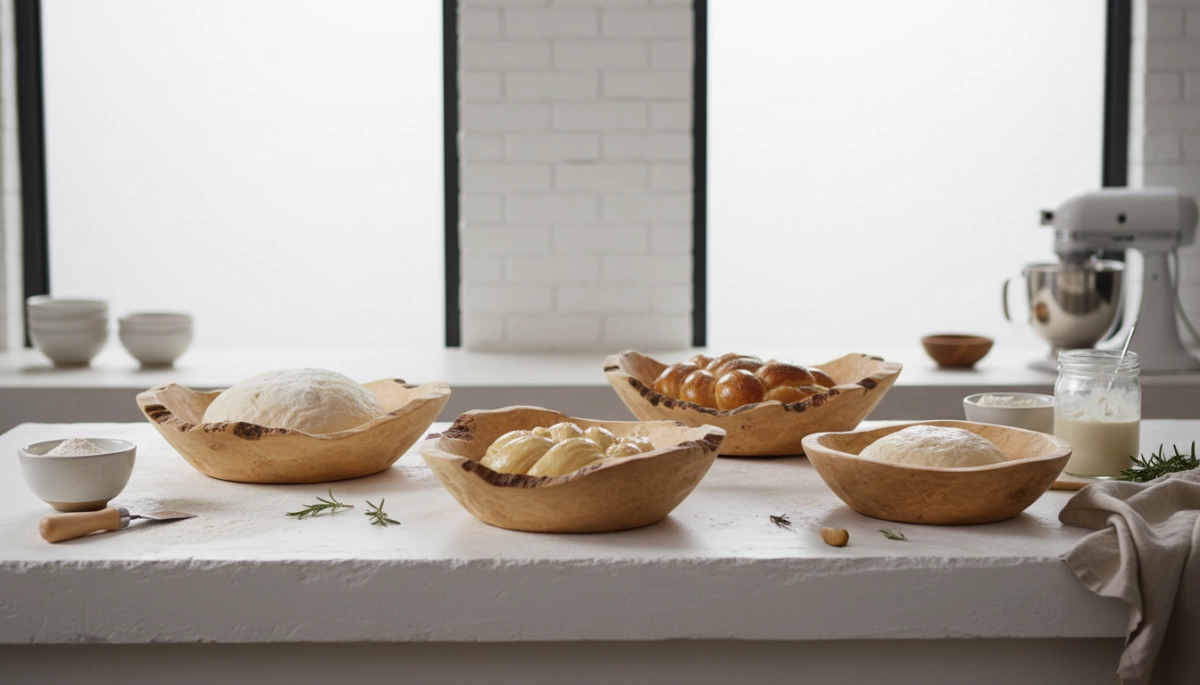
At Home Tableware, we believe in elevating the everyday with pieces that tell a story. Our collection of handcrafted dough bowls is rooted in European history, bridging the gap between 19th-century farmhouse utility and modern sophistication. We work directly with artisans who hand-carve each vessel from reclaimed wood, ensuring that every bowl features unique markings, crevices, and grain patterns that no machine can replicate.
Unlike mass-produced alternatives, our bowls are finished with a plant-based, food-safe wax. This means they aren’t just for show; they are fully functional serveware ready for your fresh breads, tossed salads, or pasta dishes. Whether you prefer the rustic charm of a Natural finish or the sleek look of our high-gloss Black and Navy options, these pieces are designed to be the heart of your home.
Why Choose Our Collection:
- Authentic Craftsmanship: Hand-carved by European artisans using traditional techniques.
- Sustainable Materials: Made from honest, reclaimed timber and “found” beams.
- Versatile Design: Available in sizes ranging from small accents to large statement pieces.
- Safe & Functional: Finished with plant-based wax for safe food contact.
We invite you to explore our premium home tableware selection to find a piece that resonates with your style. These aren’t just decorations; they are future heirlooms meant to be used, loved, and passed down.
Frequently Asked Questions About Dough Bowls
Are dough bowls food safe?
Not every wooden vessel is meant for eating, but our handcrafted dough bowls are designed to be functional kitchen staples. We finish each piece with a plant-based wax, making them completely safe for direct food contact. You can serve tossed salads, warm pasta, or fresh produce directly from the bowl without worrying about chemical sealants. This food-safe finish sets our collection apart from purely decorative reproductions.
Can you use a dough bowl for candles?
Yes, a wooden dough bowl makes an excellent foundation for candle displays. While we design them for food service, they function beautifully as a “catch-all” or centerpiece. To protect the high-gloss or natural finish of the wood, we recommend placing pillar candles on small plates or in glass holders within the bowl rather than pouring wax directly onto the timber.
How do you keep a wooden dough bowl from cracking?
The key to maintaining a reclaimed wood bowl is managing moisture. Because these are organic, artisanal items, they require gentle care:
- Hand wash only: Never place your bowl in the dishwasher.
- Do not soak: Submerging the wood can cause warping or splitting.
- Dry immediately: Wipe the bowl down right after washing.
- Condition occasionally: The plant-based wax finish protects the wood, but keeping it dry is the best defense against cracks.
What size dough bowl is best for a dining table centerpiece?
For a standard dining table, we recommend a large dough bowl. Our large options provide enough volume to stand out as a focal point, whether filled with seasonal decor or serving a family-style meal. A small dough bowl is better suited for coffee tables, kitchen islands, or stacked accents where you need a touch of texture without overwhelming the space.
What wood is best for dough bowls?
We rely strictly on reclaimed wood and “found” beams sourced from Europe. Reclaimed timber is ideal because it is dense, durable, and sustainable. Unlike new, mass-market wood, the materials we use for our vintage dough bowls and modern interpretations carry authentic history. This ensures that every hand-carved handle and grain pattern is unique, offering a level of character and longevity that soft, new woods cannot match.
 English
  German
  Turkish
  Russian